
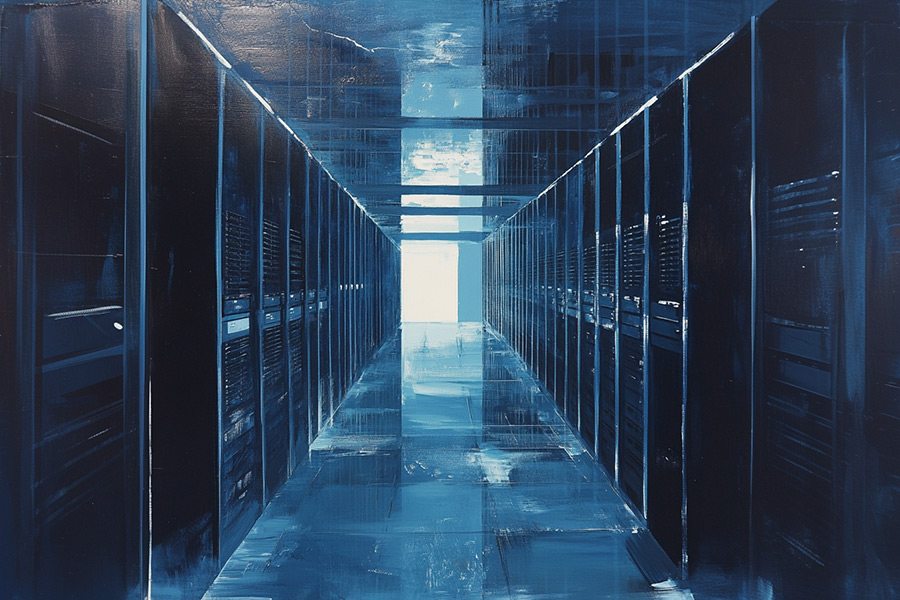
Data Center Climate Control: Why Cooling Is Crucial for the Cloud
Data center climate control is essential in today’s digital landscape. These facilities power everything from cloud storage and video streaming to banking systems and enterprise tools. In other words, they are the engines behind the services millions of people and businesses rely on daily.
However, to function efficiently and securely, data centers require advanced infrastructure—and temperature regulation is one of the most critical components. Therefore, this article explores how effective climate control ensures performance, reduces risk, and supports sustainability in data centers.
What Is a Data Center?
A data center is a secure facility that houses IT hardware such as servers, network switches, and storage systems. These components operate 24/7 and produce significant heat. If this heat is not properly managed, it can lead to overheating, equipment failure, and service disruption.
As a result, cooling is not optional. It is a core function that keeps systems stable and operational.
The Role of Climate Control in Data Center Performance
Temperature regulation directly affects system reliability and efficiency. Here are three reasons why:
- Overheating Prevention: Servers operate best within specific temperature ranges. Excess heat may trigger emergency shutdowns to prevent damage, disrupting cloud services.
- Equipment Longevity: Heat accelerates wear on electronics. Consistent cooling helps extend the life of IT equipment.
- Energy Efficiency: Smart climate systems reduce energy usage, saving costs and lowering environmental impact.
Common Data Center Climate Control Methods
Various strategies are used to maintain optimal temperatures. The most common include:
- Precision Air Conditioning (PAC): These systems provide targeted cooling and humidity control tailored to server needs.
- Hot and Cold Aisle Containment: Arranges equipment to separate hot exhaust and cool intake airflow.
- Liquid Cooling: Transfers heat more efficiently using refrigerants or water directly at the source.
- Natural or Geothermal Cooling: Uses external or underground temperatures to reduce mechanical cooling needs.
Why Redundancy Matters in Data Center Cooling
Cooling systems are mission-critical. If one fails, services may go down. Therefore, redundancy—having backups ready to activate—is essential. These backups ensure that even during maintenance or failure, the temperature remains controlled and services stay online.
Data Center Climate Control and Sustainability
As demand for digital services increases, so does the need for responsible energy use. Climate control systems account for a large portion of data center power consumption. Consequently, many companies are investing in greener solutions:
- Renewable Energy: Using solar or wind to power cooling infrastructure.
- Efficient Architecture: Designing layouts that minimize cooling demand.
- AI-Based Optimization: Automating climate systems for smarter energy use.
What Happens When Climate Control Fails?
Poor data center climate control can lead to serious consequences:
- Data Loss: Overheated systems may crash, losing valuable information.
- Downtime: Cloud-based services, websites, and apps may become unavailable.
- Financial Costs: Repairs and lost revenue can be significant.
- Reputation Damage: Unreliable service can hurt client trust and retention.
Future Trends in Data Center Climate Control
Cooling technology continues to evolve. Upcoming trends include:
- Immersion Cooling: Submerging servers in dielectric liquid for superior heat dissipation.
- Remote Monitoring: Sensors and automation to adjust temperature in real time.
- Advanced Materials: Using components that naturally disperse heat more efficiently.
Conclusion
In summary, data center climate control is vital for the proper functioning of the cloud. Without it, the risks to equipment, service continuity, and energy costs are high.
As digital infrastructure expands, investing in reliable and sustainable climate control solutions will be crucial—not just for performance, but for a greener future.

#DataCenter #ClimateControl #CloudComputing #GreenIT #SustainableCooling #DigitalInfrastructure #HVACR #Intersam