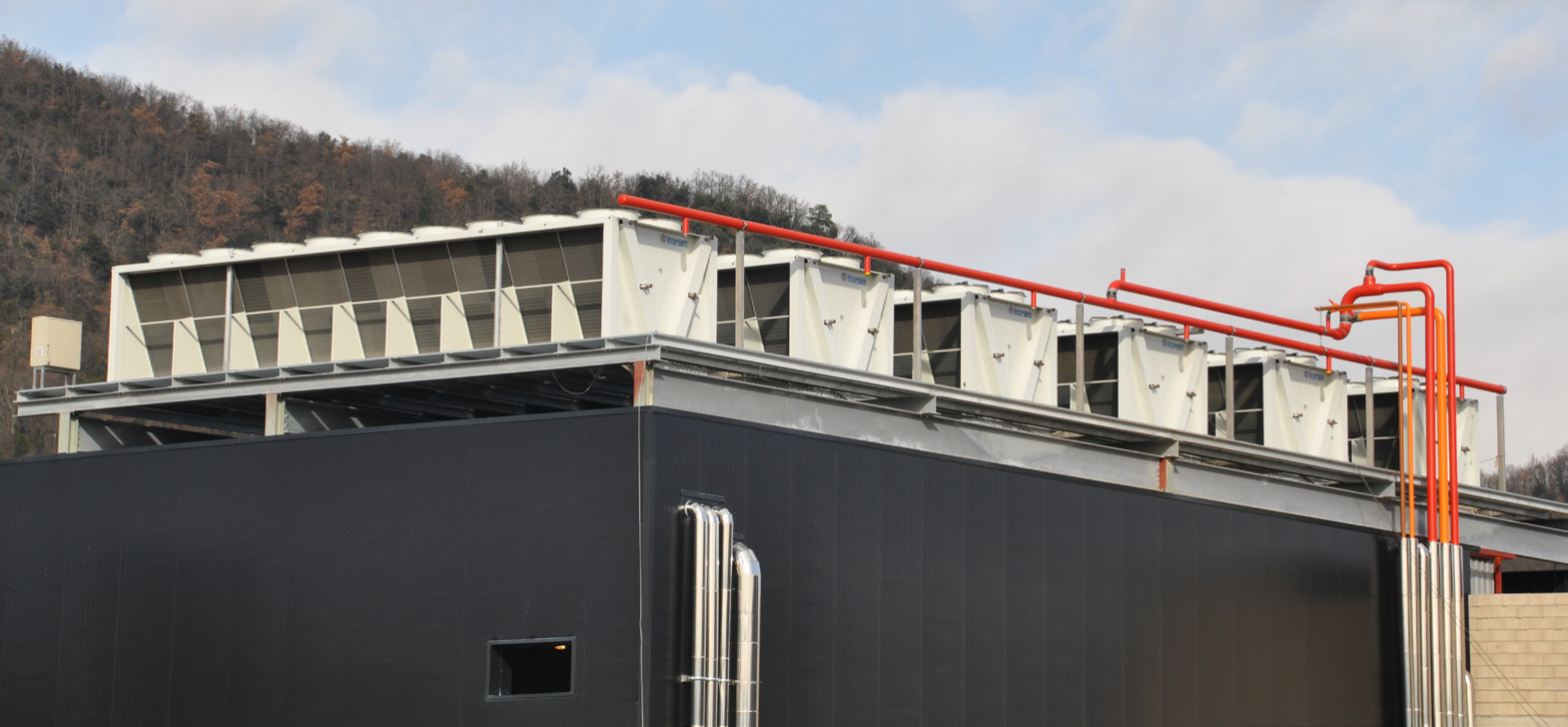
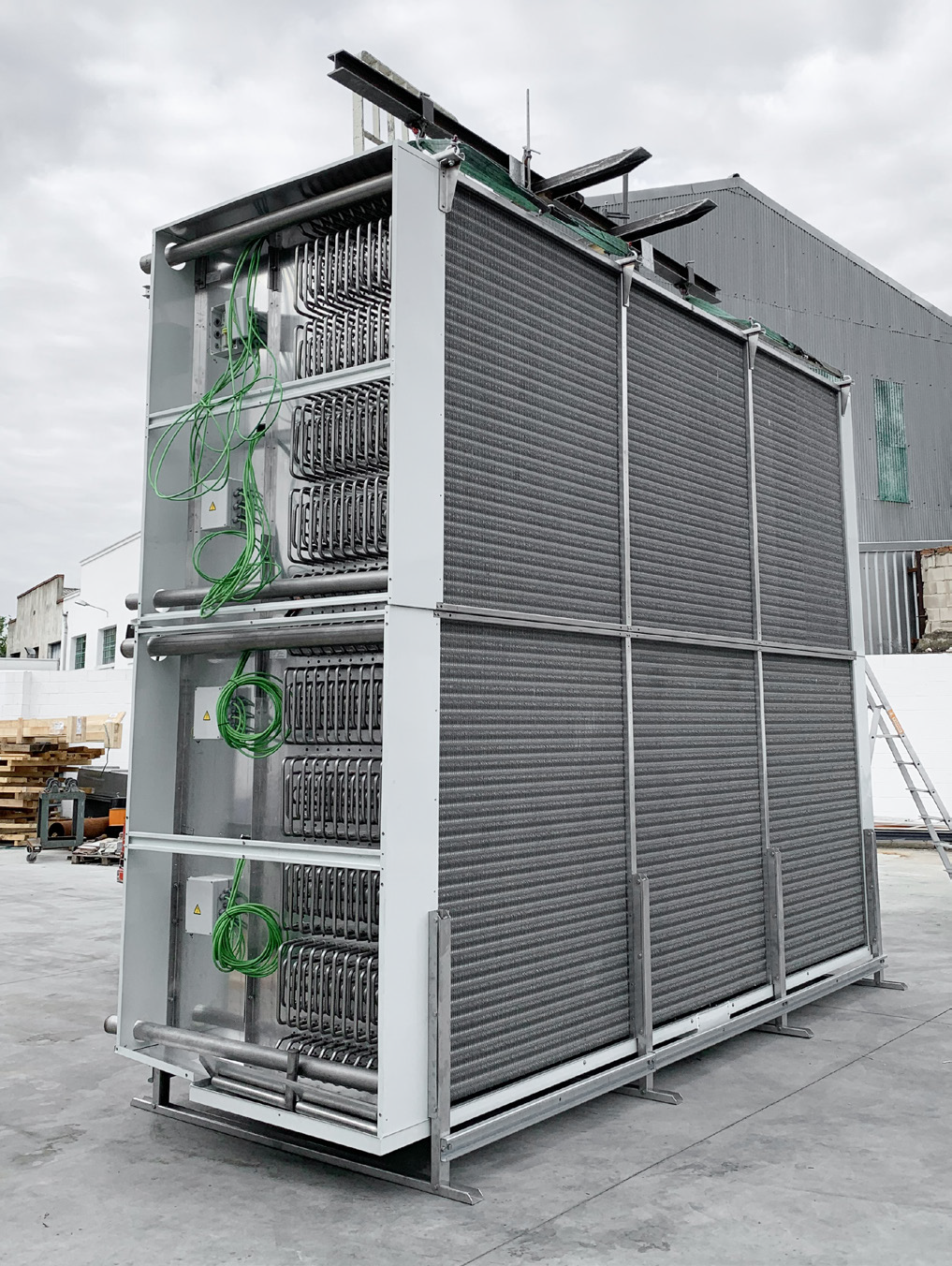
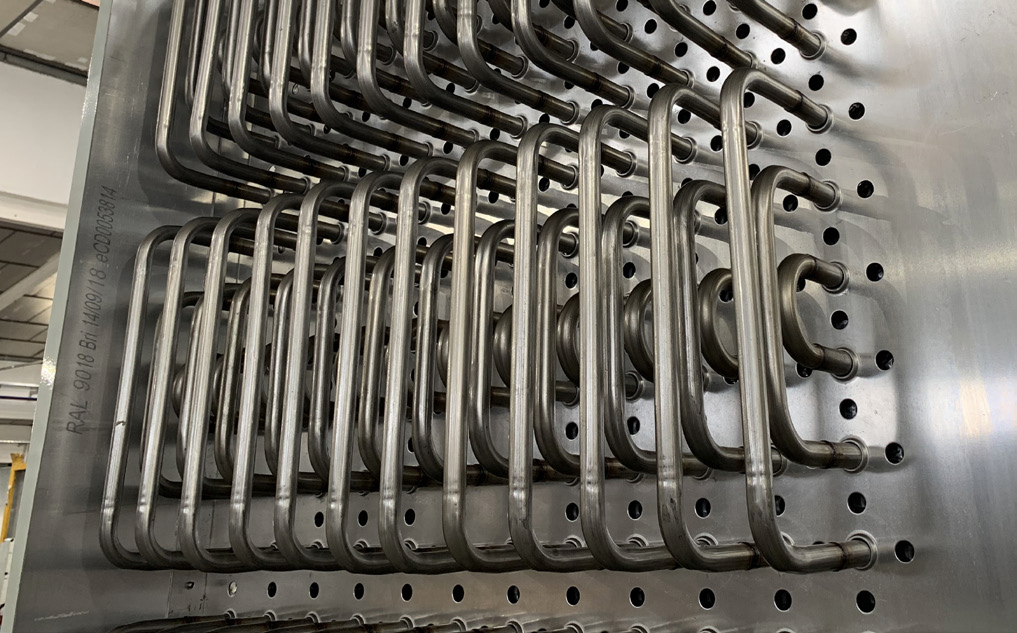
The first thing you usually think of when you hear the word ammonia is a cleaning product but did you know that it is also used in refrigeration systems? In fact, ammonia is the natural refrigerant most widely used.
And is that ammonia is an alternative to CFC / HCDC refrigerants, which are harmful to the environment and contribute to global warming. Furthermore, this alternative is the cheapest method and with better energy efficiency.
Ammonia as a refrigerant
Ammonia is a gas that, as its chemical formula (NH3) indicates, is composed of nitrogen and hydrogen. This gas can be found in nature or it can be made artificially.
In the mid-19th century, ammonia began to be used in the food industry for the refrigeration of foods such as meat, fish, fruits and vegetables, and dairy products. Nowadays it is very common to find plants that use ammonia for the refrigeration and freezing of the food that we consume.
In this case, the ammonia used is known as “ anhydrous ammonia “, which means that it is 99% pure and contains practically no water. When used in this way, it can reach temperatures down to -70 °.
In case the ammonia load needs to be lowered, an equally efficient option is combination with CO2, either in cascade or in the form of brine.
In addition to the food industry, the use of ammonia as a refrigerant has been extended to air conditioning and air conditioning systems, both for industrial refrigeration and for domestic use.
The ammonia refrigeration process consists of a cycle made up of four stages which are: compression, condensation, expansion and evaporation.
Advantages
Some of the advantages and benefits of using ammonia as a refrigerant are:
1. Environment
Ammonia is a natural non-polluting refrigerant, so it is safe for the environment. Its global warming potential (GWP) and its ozone depletion potential are equal to 0.
2. Energy efficiency
The thermodynamic performances of ammonia are around 3-10% higher than other refrigerants. This means that its energy consumption is lower, giving the same refrigeration capacities.
3. Cost
Systems with ammonia consume less electricity, resulting in lower costs. Also, the price of ammonia is lower than HCFC refrigerants and, for the same use, a much lower amount is required, between 13 and 15% in comparison. The installation of these systems is also 10-20% cheaper than other similar systems.
All this means economic savings and the possibility of offering refrigerated products at more competitive prices.
4. Pipes
Both liquid ammonia and its gaseous form require pipes with a diameter much smaller than that of most HCFC refrigerants.
5. Security
Ammonia is a toxic and flammable gas. This is why systems using this refrigerant have safety valves in the pipes and ammonia detectors, which makes them safer. Besides, ammonia is characterized by having a very powerful smell, a characteristic that works as a warning signal. In the event of a leak, it will be detected immediately thanks to the smell, so if an evacuation is necessary, the reaction of the individuals will be quick.