
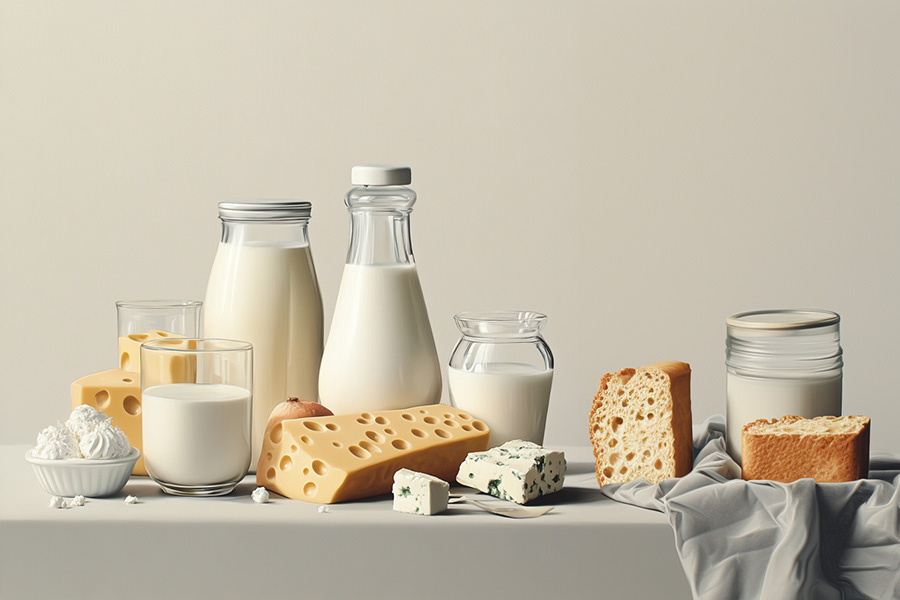
Industrial Refrigeration in the Production of Pasteurized Products
Industrial refrigeration for pasteurized products is a critical component in modern food manufacturing. This process guarantees food safety, extends shelf life, and preserves the quality of pasteurized foods and beverages. These products—such as milk, juices, sauces, and soups—are highly perishable and require careful thermal treatment to eliminate harmful microorganisms. While pasteurization is essential, it is only one step in a broader process that also includes packaging, preservation, and efficient cooling systems.
The pasteurized products industry is known for its high degree of automation and strict quality standards. To meet consumer demands and ensure product safety, companies rely on advanced temperature control systems and aseptic packaging technologies. These innovations help preserve the organoleptic properties—flavor, texture, color—of pasteurized goods throughout the supply chain.
Why Industrial Refrigeration Matters
Industrial refrigeration systems play a vital role in maintaining pasteurized products at safe temperatures. Without proper cooling, these products would spoil quickly, resulting in waste, financial loss, and potential health risks. Below are key reasons why industrial cooling is essential for the production of pasteurized products.
1. Maintaining Freshness and Quality
Refrigeration ensures the preservation of flavor, color, and consistency in foods like milk, yogurt, and fruit juices. Proper cooling prevents undesirable changes in taste or appearance.
2. Prolonging Shelf Life
By storing pasteurized foods at optimal temperatures, refrigeration slows the growth of spoilage-causing bacteria. This is especially important during long-distance distribution.
3. Meeting Sanitary Regulations
Food safety laws require strict temperature control. Industrial refrigeration systems help manufacturers comply with these standards and deliver products in perfect condition.
4. Reducing Food Waste
Efficient refrigeration minimizes waste by preventing spoilage. This supports environmental sustainability and reduces costs for producers.
What Is Pasteurization?
Pasteurization is a controlled heating process used to destroy pathogens in food. While essential for safety, it must be complemented by reliable cooling. Industrial refrigeration ensures that pasteurized products stay fresh and safe after thermal treatment.
Advantages of Efficient Industrial Refrigeration
1. Lower Operational Costs
Although refrigeration systems require upfront investment, they lead to long-term savings through energy efficiency and reduced spoilage.
2. Environmental Sustainability
Modern cooling systems consume less energy and support corporate sustainability goals by reducing carbon emissions.
3. Competitive Advantage
Companies using advanced refrigeration can maintain product quality longer and enter new markets, boosting growth and reputation.
Industrial Refrigeration: A Pillar of Production
Effective refrigeration in pasteurized product manufacturing ensures not only freshness and safety but also operational efficiency. By enabling fast cooling after pasteurization, these systems reduce production time, cut energy costs, and minimize waste. All these factors improve profitability in an increasingly competitive food industry.
Today’s consumers and regulatory bodies demand sustainable practices. Using low-energy, high-performance refrigeration systems helps reduce environmental impact and supports responsible food production.
Trust in Industrial Refrigeration Experts
Reliable industrial refrigeration systems are key to the success of any pasteurized product manufacturer. They enable compliance with food safety standards, optimize resources, and enhance brand value. At Intersam, we specialize in industrial refrigeration solutions designed for the pasteurized products industry. Contact us to learn how we can support your cooling needs with energy-efficient technology and expert service.