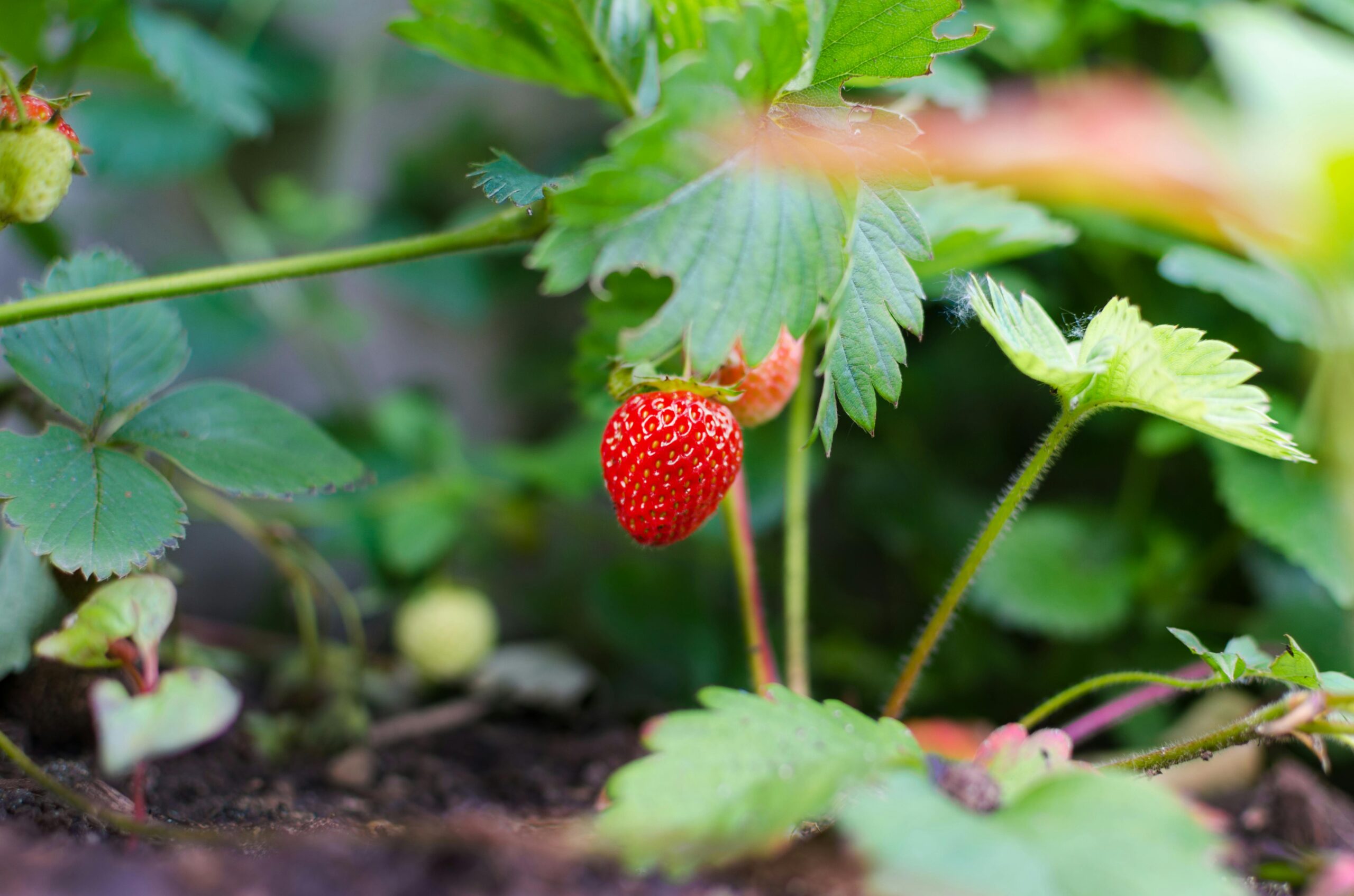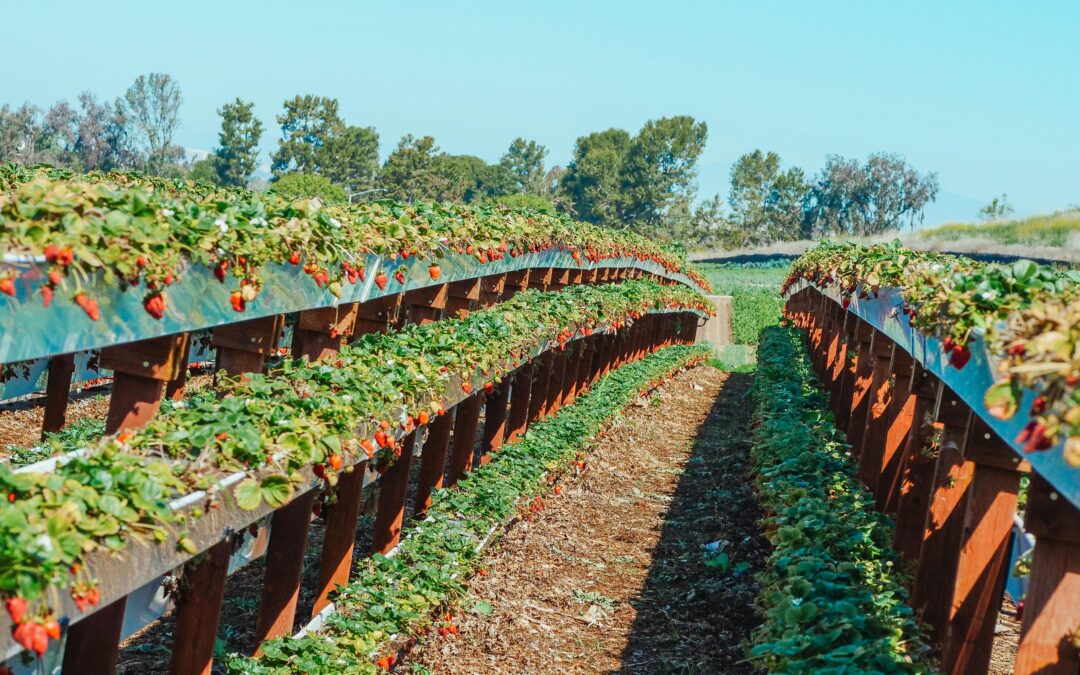
Strawberries are among the most delicate and perishable fruits, making them a true challenge for Food Technology engineering. From the moment they are harvested until they reach the consumer’s hands, every stage requires strict control to ensure freshness, safety, and sensory quality.
The first critical step is manual harvesting, which must be carried out at the optimal stage of ripeness. The strawberry’s skin is extremely fragile, and any impact or excessive pressure causes damage that accelerates its deterioration. For this reason, workers receive specific training and use small containers to avoid weight accumulation.
After harvest, immediate precooling comes into play, usually through forced-air systems. This process quickly reduces the fruit’s temperature, slows down its respiration, and limits the growth of fungi such as Botrytis cinerea, the main cause of postharvest losses. Without this step, the strawberry’s shelf life is drastically shortened.
The next link is the cold chain during transportation, where the temperature must be maintained between 0–2 °C with a relative humidity of 90–95%. These parameters prevent dehydration and preserve the fruit’s firmness. At this stage, any break in the chain results in economic and quality losses.
Finally, specialized packaging and delivery to the consumer close the cycle. Micro-perforated or modified-atmosphere packaging allows for extended freshness without the need for additives, while distribution logistics ensure that the product reaches retail points in optimal condition. Only then does the strawberry retain its aroma, color, and flavor—attributes highly valued by the end consumer.
#FoodTechnology #Strawberries #ColdChain #PostHarvest #FoodSafety