
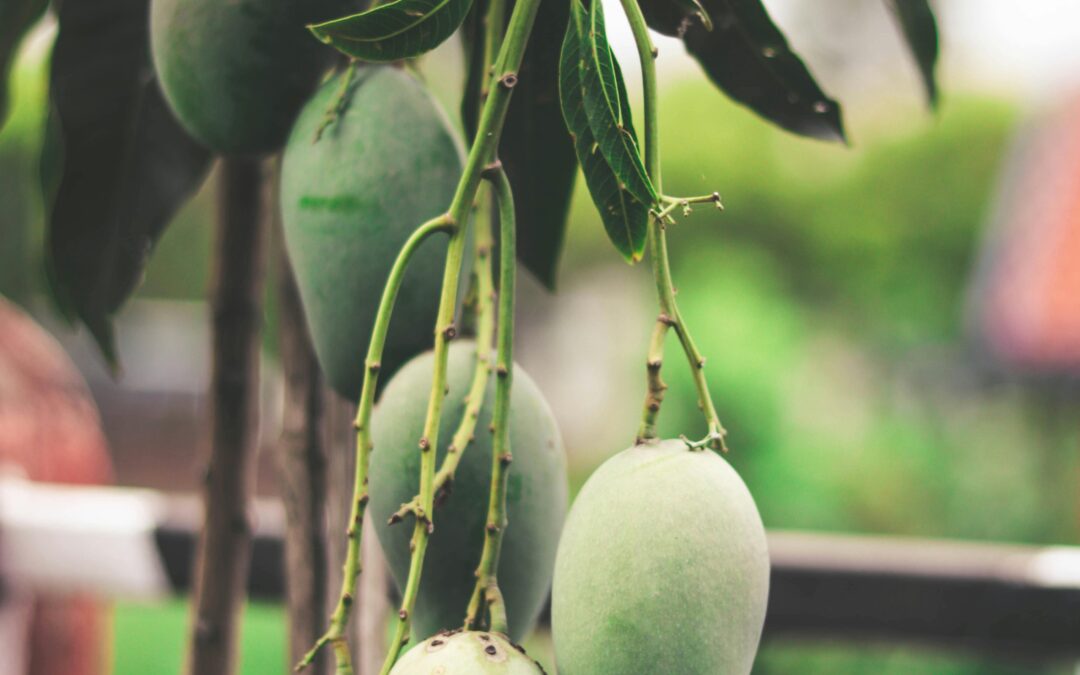
Mango Technology: Key Process Insights
The mango is a tropical fruit highly valued for its aroma, color, and sweetness. However, behind its delicious appearance lies a significant technical challenge: mango technology. Its climacteric nature —meaning it continues to ripen after harvest— requires precise control from the tree to the point of sale. The goal is to preserve its juicy texture, unique flavor, and commercial quality.
Harvesting at the Optimal Point
The first crucial step in mango handling is harvesting at the right stage of physiological maturity. If picked too early, it will lack sweetness and aroma. If picked too late, it will deteriorate quickly. To prevent this, food engineers use color indices, firmness, and soluble solids content. These parameters are determined through field measurements and laboratory analysis.
Rapid Cooling After Harvest
Once harvested, the mango undergoes a process of rapid cooling, known as hydrocooling. This technique lowers the fruit’s internal temperature and reduces its respiration rate. Temperature control (between 10 and 13 °C, depending on the variety) and relative humidity (between 85% and 90%) are essential to prevent chilling injury and condensation.
Heat Treatment for Export
After cooling, the fruit is subjected to a heat treatment or hot water treatment. This procedure eliminates potential fruit fly larvae and ensures compliance with international phytosanitary standards. This way, the mango can be exported without compromising food safety.
Controlled Storage and Transportation
During storage and transport, controlled atmosphere technologies and ethylene monitoring are employed. These techniques help delay ripening and prevent blemishes, loss of firmness, or unwanted changes in the fruit. Additionally, natural edible coatings are applied to act as oxygen barriers. This reduces transpiration and extends the mango’s shelf life without altering its flavor or color.
Traceability and Quality Control
Process traceability and final sensory control ensure that every mango reaching the market retains its tropical essence: golden pulp, intense aroma, and a firm yet juicy texture. Thanks to mango technology, this perishable fruit becomes a high-quality product ready for the demanding consumer.
In short, the technology applied to mangoes not only preserves their organoleptic characteristics but also enables global commercialization, meeting food safety and excellence standards.