
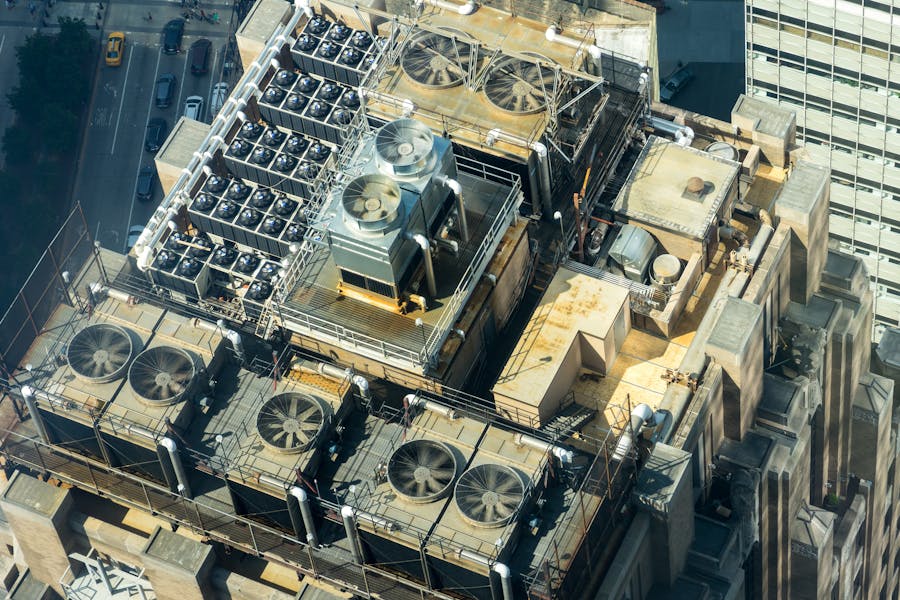
HVAC System: How It Works and Benefits
An efficient HVAC system is essential for maintaining comfort in homes and businesses. Whether dealing with excessive heat or cold, HVAC systems ensure optimal indoor conditions all year round. By regulating temperature, air quality, and humidity, these systems help create healthy and productive environments.
What Is an HVAC System?
HVAC stands for Heating, Ventilation, and Air Conditioning. These systems provide:
- Consistent thermal comfort indoors
- Clean, filtered air
- Humidity control and ventilation
Some HVAC systems also include Refrigeration (HVAC-R), especially in the food and pharmaceutical sectors. Let’s break down the main functions of an HVAC system:
- Heating: Increases indoor temperature during cold seasons.
- Ventilation: Circulates and refreshes air while removing CO² and impurities.
- Air Conditioning: Cools and purifies air, removing harmful particles through filters.
- Refrigeration: Maintains low temperatures for specific industrial needs.
Why an HVAC System Is Essential
An HVAC system provides more than just comfort—it contributes to air quality, energy efficiency, and health. Its main advantages include:
- Air Filtration: Removes dust, bacteria, and allergens to improve air purity and reduce disease risks.
- Oxygenation: Enhances air circulation, which helps maintain oxygen levels and reduce contaminant buildup.
- Consistent Room Temperature: Stable temperatures support worker productivity and proper equipment function.
- Humidity Control: Sensors monitor humidity to avoid discomfort, mold growth, and material damage.
How an HVAC System Works
HVAC systems work by moving air through heating or cooling units and distributing it via ducts. In modern buildings, sealed environments require fans, sensors, and filters to replace natural ventilation. Learn more about indoor air quality here.
Components of an HVAC System
1. Heating Unit
- Gas Boilers: Heat water for distribution through thermal tanks—ideal for cold climates.
- Electric Heaters: Use resistors to provide instant heating—great for small spaces.
- Heat Pumps: Extract external heat and transfer it indoors—efficient in temperate climates.
2. Cooling Unit
- Reverse-Mode Heat Pumps: Lower indoor temperature using a refrigerant cycle.
- Cooling Towers: Used in large buildings for industrial-level heat exchange.
3. Air Handling Unit (AHU)
This is the core of the ventilation process. It includes:
- Heating and cooling exchangers
- Fans for air movement
- Air filters
- Sensors for temperature, humidity, and CO²
Smart Controls and Sensors
HVAC systems rely on smart controls for efficient operation. Thermostats regulate temperature, while additional sensors monitor CO², humidity, and pressure. These inputs go to a logic controller that ensures optimal indoor conditions.
Intersam: Custom HVAC Solutions for Your Business
With nearly 30 years of experience, Intersam designs and manufactures advanced HVAC systems for industrial and commercial applications worldwide. We offer:
- Heat exchangers
- Condensers and evaporators
- Air coolers and ventilation systems
Our specialists manage every step—from design to commissioning. Whether your project is in Spain or abroad, we’ll deliver high-efficiency, reliable climate control. Contact us today to learn how we can help you implement the HVAC system your business needs.
